Korean Bibimbap
Highlighted under: Authentic Ideas
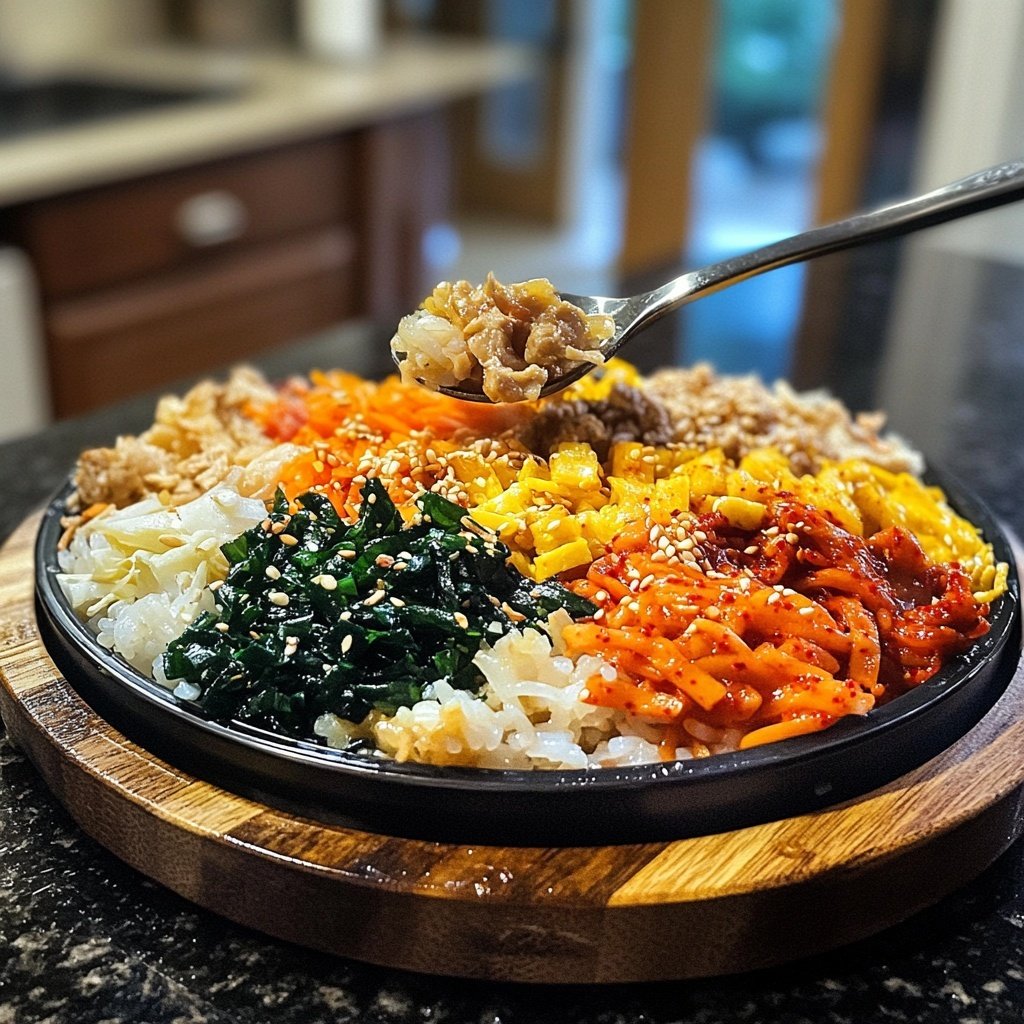
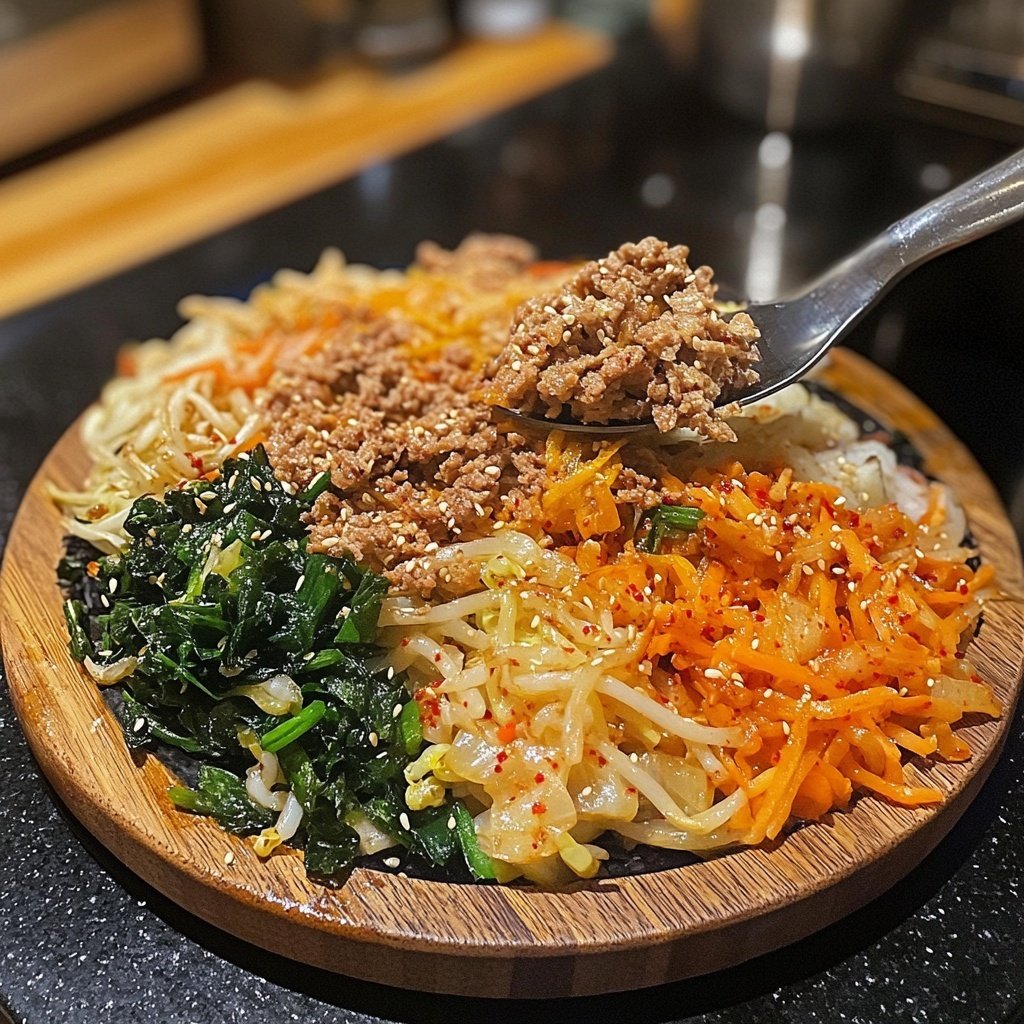
Korean Bibimbap is a vibrant and nutritious dish that combines rice with a variety of fresh vegetables, proteins, and a spicy gochujang sauce.
Korean Bibimbap is more than just a meal; it's a colorful representation of Korean culture. Each ingredient is chosen for its flavor, texture, and health benefits, making it a wholesome choice for dinner.
Why You'll Love This Recipe
- A perfect balance of flavors and textures
- Customizable with your favorite vegetables and proteins
- A feast for the eyes and the taste buds
The Essence of Bibimbap
Bibimbap, which means 'mixed rice' in Korean, is a dish that beautifully showcases the harmony of flavors and textures typical of Korean cuisine. This one-bowl meal offers a delightful combination of seasoned vegetables, proteins, and savory sauces, making it a complete and balanced dish. The use of gochujang, a fermented chili paste, adds a unique layer of spice and depth that elevates the overall taste experience.
The vibrant colors of the ingredients not only make bibimbap visually appealing but also highlight the nutritional benefits of the dish. Including a variety of fresh vegetables ensures that you’re getting essential vitamins and minerals, while the rice provides a hearty base. Whether you're enjoying it for lunch or dinner, bibimbap is a satisfying choice that caters to both your hunger and your health.
Customizing Your Bibimbap
One of the best aspects of bibimbap is its versatility. You can easily customize it to suit your taste preferences or dietary needs. Whether you prefer meat, tofu, or a variety of vegetables, the options are endless. Popular additions include beef, chicken, or even seafood, all of which can be marinated for extra flavor. For a vegetarian or vegan option, simply skip the eggs and add more plant-based proteins like tempeh or edamame.
Moreover, the vegetables can vary based on seasonal availability or personal preference. Feel free to experiment with mushrooms, zucchini, or radishes. This flexibility not only makes bibimbap a delightful culinary experience but also allows you to make it your own, ensuring that every serving can be uniquely tailored to your palate.
Bibimbap: A Cultural Experience
Enjoying bibimbap is not just about the taste but also about the cultural experience it embodies. Traditionally served in a hot stone bowl, the rice continues to cook as it’s mixed with the vegetables and sauce, creating a delightful crispy layer at the bottom. This method, known as 'dolsot bibimbap,' adds an extra dimension of flavor and texture that many enthusiasts love. While you can prepare it in a regular bowl, trying it in a dolsot can truly enhance your bibimbap experience.
As you mix the ingredients together before eating, you are engaging in a ritual that symbolizes harmony and togetherness. Bibimbap is often enjoyed during celebrations and gatherings, making it a dish that brings people together. Sharing a meal of bibimbap can foster connections, conversations, and memories that last a lifetime, making it more than just food, but a cultural experience to cherish.
Ingredients
Gather these fresh ingredients to make your delicious bibimbap.
Ingredients for Bibimbap
- 2 cups cooked white rice
- 1 cup spinach, blanched and squeezed dry
- 1 cup bean sprouts, blanched
- 1 carrot, julienned
- 1 cucumber, julienned
- 4 shiitake mushrooms, sliced
- 2 eggs
- 3 tablespoons gochujang (Korean chili paste)
- 2 tablespoons sesame oil
- 1 tablespoon vegetable oil
- Salt to taste
- Sesame seeds for garnish
Now that you have all your ingredients, it's time to cook!
Instructions
Follow these steps to create your delicious bibimbap.
Prepare the Vegetables
Heat vegetable oil in a pan over medium heat. Sauté the carrots and mushrooms separately until tender. Season with salt and set aside.
Cook the Eggs
In the same pan, fry the eggs sunny-side up or to your liking. Set aside.
Assemble the Bibimbap
In a bowl, place a serving of rice and arrange the vegetables and egg on top. Drizzle with sesame oil and gochujang to taste.
Serve
Mix all the ingredients together before eating. Garnish with sesame seeds.
Enjoy your homemade Korean Bibimbap!
Pro Tips
- Feel free to add your favorite proteins such as beef, chicken, or tofu for extra flavor and nutrition.
Tips for Perfect Bibimbap
To achieve the best flavor in your bibimbap, be sure to season your vegetables appropriately. Each vegetable contributes its own unique taste, so a little salt and sesame oil can go a long way. Additionally, the frying technique for the eggs is crucial; a perfectly cooked sunny-side-up egg not only adds richness but also enhances the visual appeal of your dish.
Making your own gochujang sauce can elevate your bibimbap even further. While store-bought options are convenient, a homemade version allows you to control the spice level and flavor. Mixing gochujang with a bit of honey or sugar can balance the heat, making it more accessible for those who prefer milder tastes.
Storing Leftovers
If you find yourself with leftover bibimbap, storing it properly ensures that you can enjoy it later without sacrificing flavor or texture. Keep the components separate, if possible, to maintain the freshness of the vegetables and prevent the rice from becoming too soggy. Store each ingredient in airtight containers in the refrigerator, and they should stay fresh for up to three days.
When you’re ready to enjoy your leftovers, simply reheat the rice and vegetables together in a pan. Add a splash of water to help steam the vegetables and revive the rice’s texture. For an added touch, fry a new egg to top it off, and drizzle with fresh gochujang and sesame oil before serving.
Pairing Suggestions
Bibimbap pairs wonderfully with a variety of side dishes known as banchan. Consider serving it with kimchi, pickled vegetables, or a light salad to complement the meal. These side dishes not only enhance the overall dining experience but also provide additional flavors and textures that harmonize beautifully with the bibimbap.
For beverages, traditional Korean drinks like soju or makgeolli (Korean rice wine) can be delightful companions. If you prefer non-alcoholic options, a refreshing iced barley tea or a light fruit-infused water can cleanse the palate and balance the rich flavors of the bibimbap. With the right pairings, your bibimbap meal becomes a complete and satisfying culinary adventure.
Questions About Recipes
→ Can I make Bibimbap in advance?
Yes, you can prepare the vegetables and rice ahead of time, but it's best to assemble and serve it fresh.
→ What if I can't find gochujang?
You can substitute with a mix of chili paste and soy sauce, but the flavor will be slightly different.
→ Is Bibimbap gluten-free?
Yes, as long as you use gluten-free soy sauce and check the ingredients of the gochujang.
→ Can I add different vegetables?
Absolutely! Bibimbap is very versatile; you can use any vegetables you like.
Korean Bibimbap
Created by: Adriana Whitaker
Recipe Type: Authentic Ideas
Skill Level: Intermediate
Final Quantity: 4 servings
What You'll Need
Ingredients for Bibimbap
- 2 cups cooked white rice
- 1 cup spinach, blanched and squeezed dry
- 1 cup bean sprouts, blanched
- 1 carrot, julienned
- 1 cucumber, julienned
- 4 shiitake mushrooms, sliced
- 2 eggs
- 3 tablespoons gochujang (Korean chili paste)
- 2 tablespoons sesame oil
- 1 tablespoon vegetable oil
- Salt to taste
- Sesame seeds for garnish
How-To Steps
Heat vegetable oil in a pan over medium heat. Sauté the carrots and mushrooms separately until tender. Season with salt and set aside.
In the same pan, fry the eggs sunny-side up or to your liking. Set aside.
In a bowl, place a serving of rice and arrange the vegetables and egg on top. Drizzle with sesame oil and gochujang to taste.
Mix all the ingredients together before eating. Garnish with sesame seeds.
Extra Tips
- Feel free to add your favorite proteins such as beef, chicken, or tofu for extra flavor and nutrition.
Nutritional Breakdown (Per Serving)
- Calories: 500 kcal
- Total Fat: 18g
- Saturated Fat: 3g
- Cholesterol: 186mg
- Sodium: 600mg
- Total Carbohydrates: 70g
- Dietary Fiber: 5g
- Sugars: 4g
- Protein: 15g